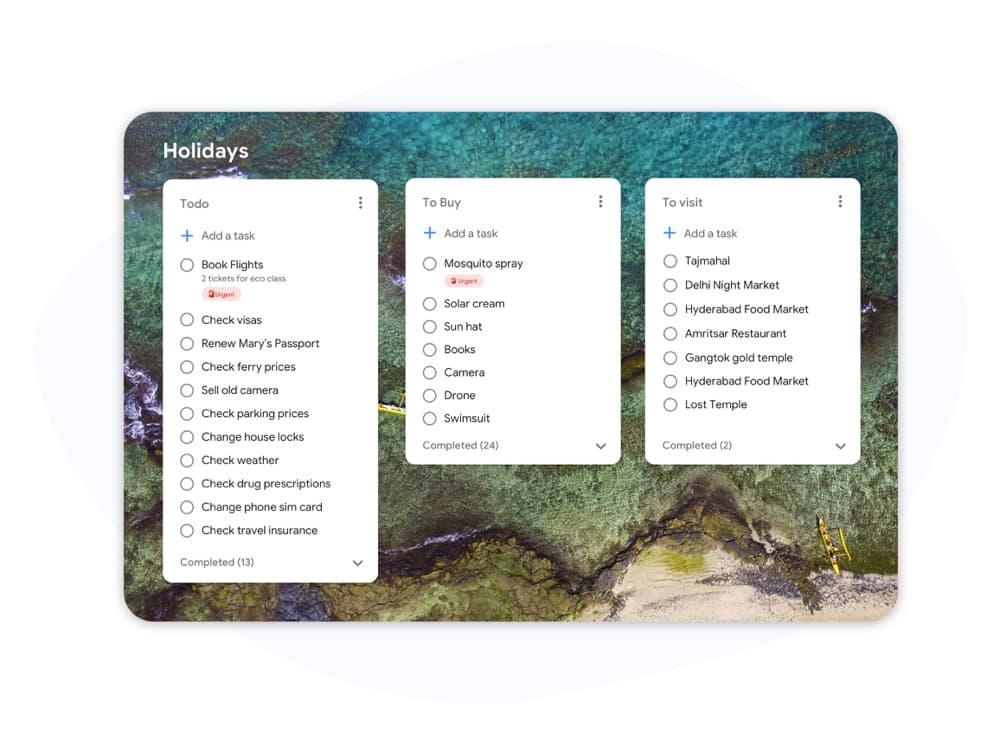
Kanban vs Scrum

Kanban vs Scrum: Welk framework past bij jouw team?

Kanban en Scrum gebruiken beide visuele borden, maar ze werken heel anders. Deze gids legt de belangrijkste verschillen uit, zodat je de juiste aanpak kunt kiezen en vandaag nog aan de slag kunt.

Gebruikt door 2M+ mensen. Gratis om te beginnen.


Kanban vs Scrum: Functievergelijking

Feature
Kanban
Scrum
Vaste iteraties (sprints) Fixed iterations (sprints) Optioneel
WIP-limieten WIP limits
Gedefinieerde rollen (Scrum Master, PO) Defined roles (Scrum Master, PO)
Ceremonies voor backlog-beheer Backlog grooming ceremonies
Continue levering Continuous delivery Tussen sprints
Flow-statistieken (cyclustijd, doorvoer) Flow metrics (cycle time, throughput)
Velocity-tracking Velocity tracking
Bordaanpassing Board customization Alleen sprintkolommen
Werkt voor ondersteuning / operatieteams Works for support / ops teams
Werkt voor product feature dev Works for product feature dev

Feature-by-feature comparison

Kanban optimizes flow; Scrum optimizes predictable delivery. Compare each practice with screenshots and sourced references.

Kanban 5 Scrum 2 It's a tie 3

Fixed iterations (sprints)

It's a tie

Kanban has no required sprint cadence. Work flows continuously through columns as capacity allows.

Scrum organizes work into time-boxed Sprints, typically 1–4 weeks, with a committed Sprint Goal.

Kanban
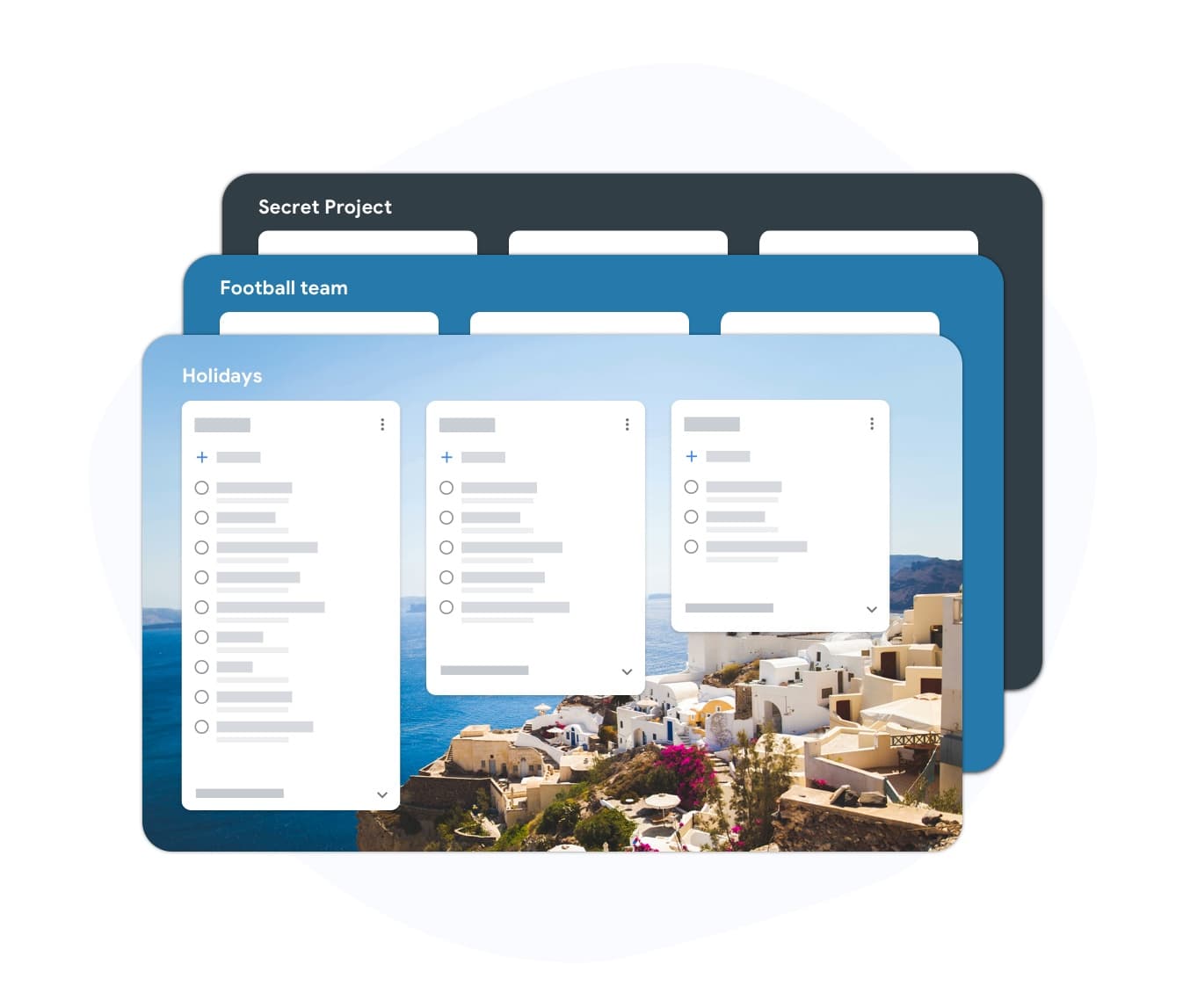
Fixed iterations (sprints) — left column screenshot
Continuous flow, no sprint boundary.
Scrum
Fixed iterations (sprints) — right column screenshot
Sprint planning and time boxes.

It's a tie

Neither is universally better — Kanban suits continuous flow; Scrum suits time-boxed, predictable delivery.
WIP limits

Winner: Kanban

Kanban uses Work-In-Progress limits per column to prevent overload and surface bottlenecks.

Scrum limits work indirectly through Sprint capacity planning rather than per-column WIP caps.

Kanban Winner
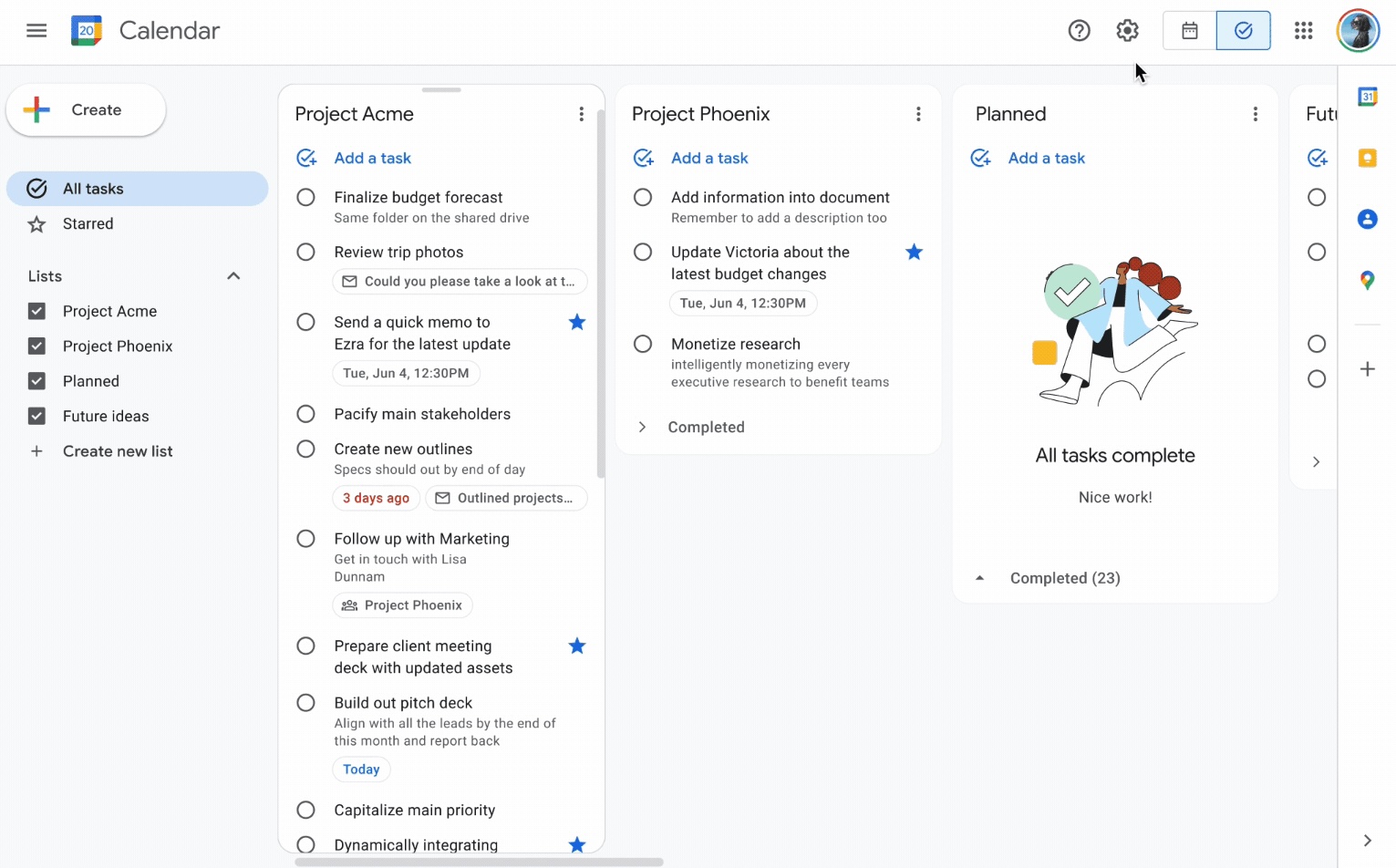
WIP limits — left column screenshot
Column WIP limits on TasksBoard.
Scrum
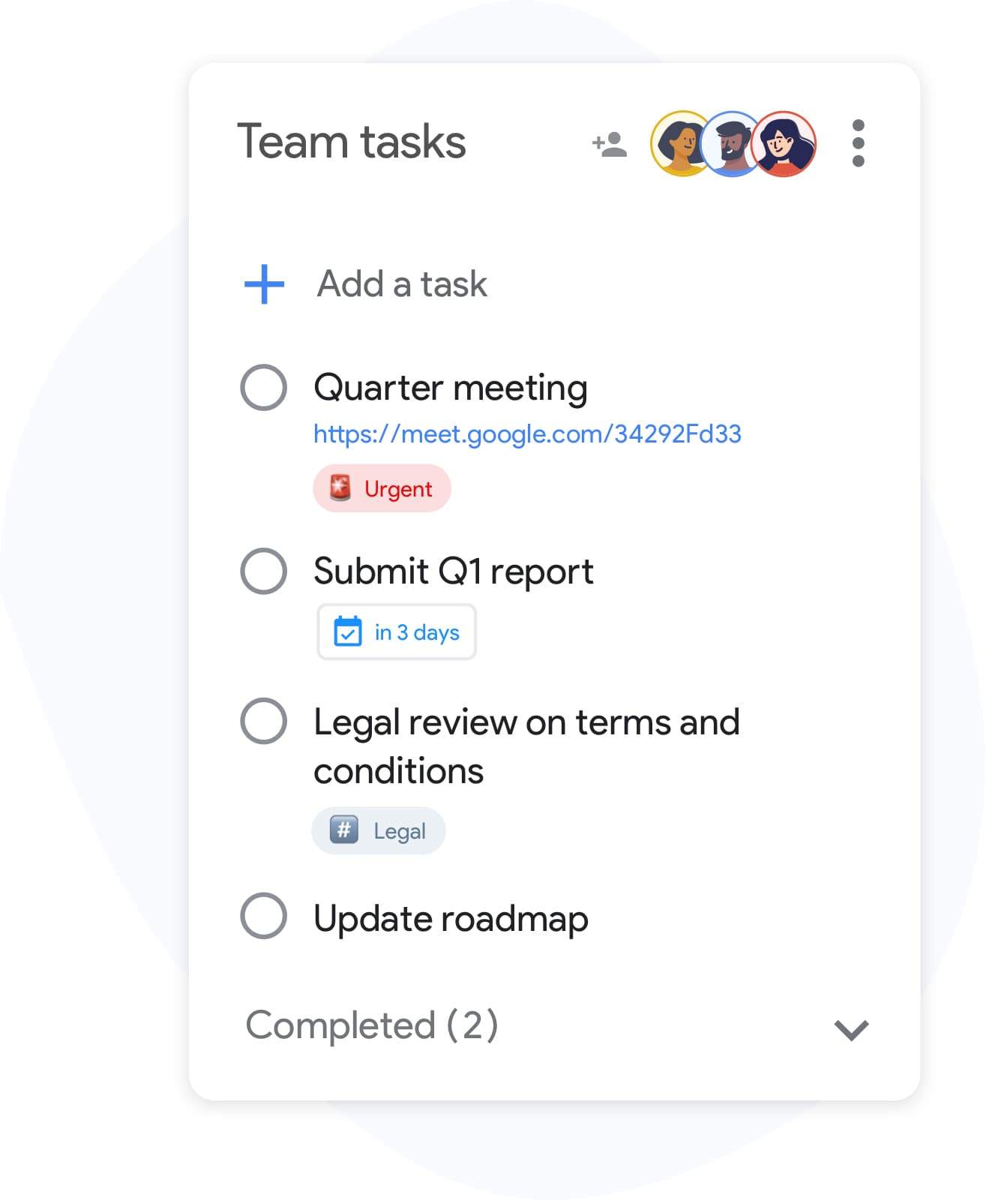
WIP limits — right column screenshot
Sprint capacity as the limit.

Winner: Kanban

Explicit per-column WIP limits are a core Kanban practice for preventing overload and surfacing bottlenecks.


Defined roles

It's a tie

Kanban has no mandated roles. The team owns the board and pull-based workflow.

Scrum defines Scrum Master, Product Owner, and Developers with distinct accountabilities.

Kanban
Defined roles — left column screenshot
Self-organizing team, no fixed roles.
Scrum
Defined roles — right column screenshot
Scrum Master, PO, Developers.

It's a tie

Kanban needs no fixed roles; Scrum's defined accountabilities help larger teams that want clear structure.


Backlog grooming ceremonies

It's a tie

Kanban refines work just-in-time as items approach the top of the backlog column.

Scrum holds regular backlog refinement sessions to prepare items for upcoming Sprints.

Kanban
Backlog grooming ceremonies — left column screenshot
Just-in-time refinement.
Scrum
Backlog grooming ceremonies — right column screenshot
Scheduled refinement ceremonies.

It's a tie

Kanban refines just-in-time; Scrum schedules backlog refinement ceremonies — both work, different rhythms.


Continuous delivery

Winner: Kanban

Kanban teams release whenever an item is done — no waiting for a sprint boundary.

Scrum typically delivers at the end of each Sprint during the Sprint Review.

Kanban Winner
Continuous delivery — left column screenshot
Ship when ready.
Scrum
Continuous delivery — right column screenshot
Deliver at Sprint Review.

Winner: Kanban

Kanban teams ship whenever an item is done; Scrum typically batches delivery at the Sprint Review.


Flow metrics

Winner: Kanban

Kanban tracks cycle time, throughput, and lead time to optimize flow efficiency.

Scrum primarily measures velocity — story points completed per Sprint.

Kanban Winner
Flow metrics — left column screenshot
Cycle time and throughput.
Scrum
Flow metrics — right column screenshot
Velocity per Sprint.

Winner: Kanban

Cycle time, throughput, and lead time give Kanban teams direct flow-efficiency signals.


Velocity tracking

Winner: Scrum

Kanban does not use velocity. Flow metrics replace point-based tracking.

Scrum teams track velocity to forecast Sprint capacity and release planning.

Kanban
Velocity tracking — left column screenshot
Flow-based forecasting.
Scrum Winner
Velocity tracking — right column screenshot
Story-point velocity charts.

Winner: Scrum

Story-point velocity is Scrum's primary forecasting tool — Kanban deliberately avoids velocity tracking.


Board customization

Winner: Kanban

Kanban boards are fully customizable — add columns, swim lanes, and WIP limits per team.

Scrum boards follow a standard To Do → In Progress → Done pattern tied to Sprint scope.

Kanban Winner
Board customization — left column screenshot
Custom columns on TasksBoard.
Scrum
Board customization — right column screenshot
Sprint-scoped standard columns.

Winner: Kanban

Kanban boards are fully customizable — columns, swim lanes, and WIP limits per team.


Support and ops teams

Winner: Kanban

Kanban excels for interrupt-driven work — support tickets, incidents, and ops queues flow continuously.

Scrum's sprint commitment model fits poorly when urgent items arrive mid-Sprint.

Kanban Winner
Support and ops teams — left column screenshot
Continuous intake for ops work.
Scrum
Support and ops teams — right column screenshot
Sprint commitment conflicts with interrupts.

Winner: Kanban

Interrupt-driven support and ops queues flow continuously on Kanban; Scrum's sprint commitment fights mid-sprint urgency.


Product feature development

Winner: Scrum

Kanban works for feature dev when continuous flow is preferred over batch planning.

Scrum is widely adopted for product teams building features in predictable increments.

Kanban
Product feature development — left column screenshot
Feature cards flowing through columns.
Scrum Winner
Product feature development — right column screenshot
Sprint-planned feature increments.

Winner: Scrum

Scrum is widely adopted for product teams building features in predictable sprint increments.


Geliefd bij duizenden gebruikers

4.8 / 5 uit 1.000+ beoordelingen in de Chrome Web Store

"Always have 101 things to do and this helps me organize and prioritize like no other app can. It syncs to my phone and laptop, and when I add dates to tasks, they automatically integrate into my Google Calendar, which is immensely convenient. I can look at my daily, weekly, and monthly overview in Google Calendar and clearly see how much I was able to accomplish! Great tool indeed. Excited to see how it will evolve over time."

PR Parina Ramjee avatar
Parina Ramjee

"Seriously, makes my tasks easier to share with the team, and the free version is quite nice for our little office. Eventually, we will expand, and this is definitely a great tool to do that! Syncs with my Workspace and Calendar."

CC Chase Cattrall avatar
Chase Cattrall

"I love the simple, intuitive interface and the Add to Tasks feature, especially as I work through my emails! Sharing my tasks is also easy. Overall, outstanding and simple to use, and that means a lot with too many complex tasks out there!"

GC Greg Cantori avatar
Greg Cantori

"Great too for managing daily routine and plan tasks. Would be perfect if it was updated for generating reports for statistics. For google tasks and google calendar"

NV Nick Vlasov avatar
Nick Vlasov

Veelgestelde vragen

Wat is het belangrijkste verschil tussen Kanban en Scrum?

Scrum gebruikt sprints van vaste lengte met gedefinieerde rollen en ceremonies. Kanban gebruikt een continu flow-model zonder verplichte sprints. Scrum is gestructureerder; Kanban is flexibeler.

Kan een team Kanban en Scrum samen gebruiken?

Ja. "Scrumban" is een hybride aanpak waarbij teams Scrum-ceremonies gebruiken, maar de workflow beheren met een Kanban bord en WIP-limieten. Het komt veel voor bij teams die sprintvoorspelbaarheid willen naast flow-zichtbaarheid.

Is Kanban of Scrum beter voor kleine teams?

Kanban is over het algemeen eenvoudiger voor kleine teams omdat het geen verplichte rollen of ceremonies heeft. Een team van twee tot vijf personen kan direct een Kanban bord starten zonder training. Scrum-overhead is moeilijker te rechtvaardigen onder de vijf personen.

Heeft Kanban story points?

Kanban vereist geen story points. In plaats daarvan gebruikt het flow-statistieken: cyclustijd (hoe lang een taak duurt om te voltooien), doorvoer (hoeveel taken per week worden voltooid) en doorlooptijd. Deze statistieken zijn vaak actiegerichter dan velocity.

Kan ik Kanban uitvoeren in TasksBoard?

Ja. TasksBoard geeft je een schermvullend Kanban bord ondersteund door Google Tasks. Je kunt kolommen maken voor elke workflow (Te doen, In uitvoering, Klaar of aangepaste fasen), taken tussen kolommen slepen en deadlines toevoegen die synchroniseren met Google Calendar.

Welke rollen vereist Kanban?

Kanban heeft geen vereiste rollen. In tegenstelling tot Scrum is er geen Scrum Master of Product Owner verplicht door de methode. Teams wijzen vaak een flow-manager of service delivery manager aan, maar deze rollen zijn optioneel en informeel.

Is Scrum alleen voor softwareteams?

Scrum was oorspronkelijk ontworpen voor softwareontwikkeling, maar marketing-, HR- en operatieteams hebben het met succes aangepast. Kanban past zich nog gemakkelijker aan niet-software workflows aan omdat het minder beperkingen oplegt.


Ga aan de slag

Voer Kanban of Scrum-stijl borden uit in TasksBoard

Meld je aan met je Google-account en bouw in enkele minuten een visuele workflow. Sleep taken tussen kolommen, stel deadlines in en deel borden met je team.

Geen creditcard vereist. Werkt met je bestaande Google Tasks.