Kanban 与 Scrum

Kanban 与 Scrum: 哪种框架适合您的团队?

Kanban 和 Scrum 都使用可视化看板,但它们的工作方式截然不同。本指南详细介绍了关键区别,以便您选择正确的方法并立即开始交付工作。

超过 200 万人使用。免费开始。


Kanban 与 Scrum: 功能对比

Feature
Kanban
敏捷开发 (Scrum)
固定迭代 (Sprint) Fixed iterations (sprints) 可选
在制品 (WIP) 限制 WIP limits
定义角色 (Scrum Master, PO) Defined roles (Scrum Master, PO)
积压工作整理仪式 Backlog grooming ceremonies
持续交付 Continuous delivery Sprint 之间
流程指标 (周期时间, 吞吐量) Flow metrics (cycle time, throughput)
速率跟踪 Velocity tracking
看板自定义 Board customization 仅限 Sprint 列
适用于支持/运营团队 Works for support / ops teams
适用于产品功能开发 Works for product feature dev

Feature-by-feature comparison

Kanban optimizes flow; Scrum optimizes predictable delivery. Compare each practice with screenshots and sourced references.

Kanban 5 敏捷开发 (Scrum) 2 It's a tie 3

Fixed iterations (sprints)

It's a tie

Kanban has no required sprint cadence. Work flows continuously through columns as capacity allows.

Scrum organizes work into time-boxed Sprints, typically 1–4 weeks, with a committed Sprint Goal.

Kanban
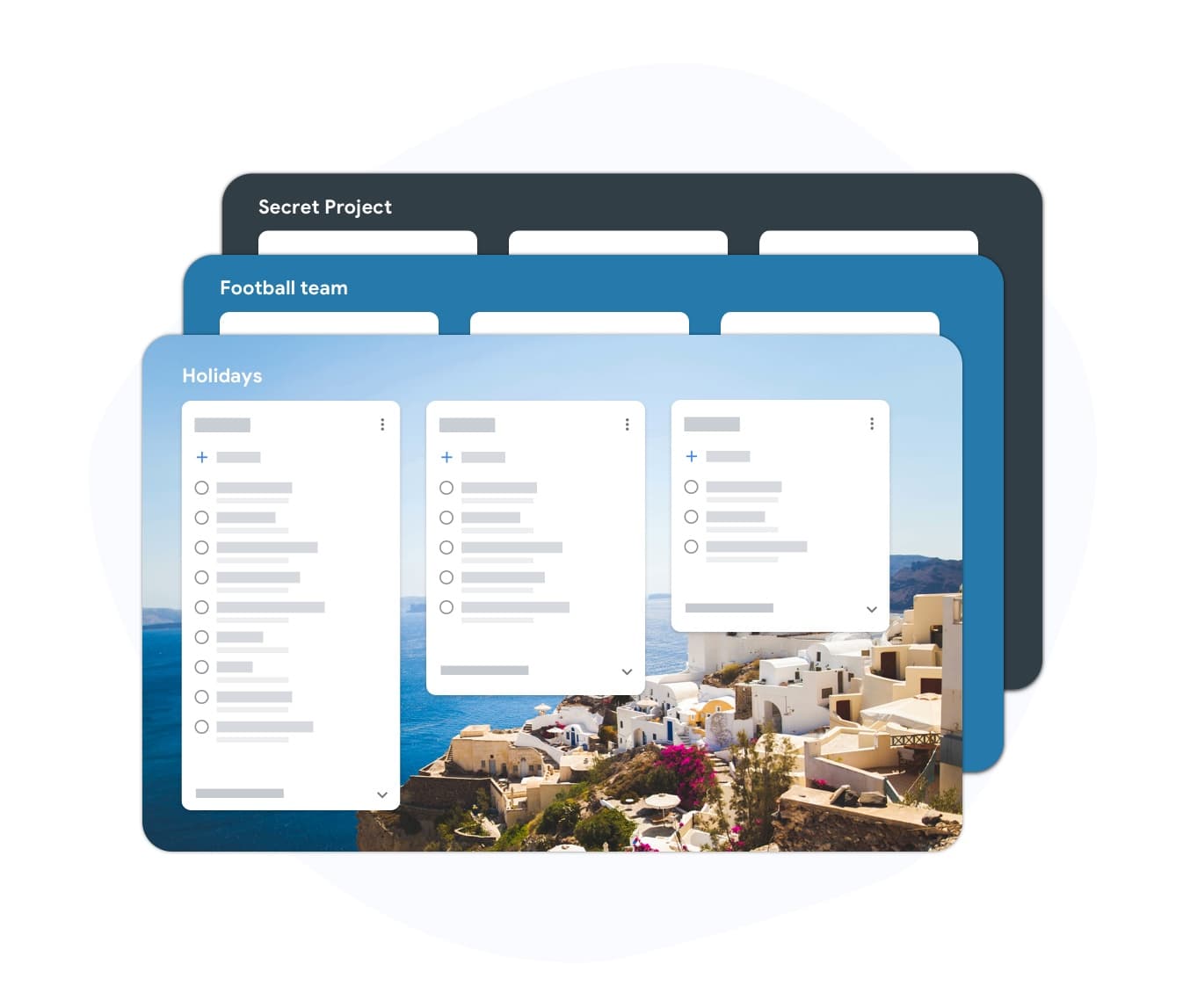
Fixed iterations (sprints) — left column screenshot
Continuous flow, no sprint boundary.
敏捷开发 (Scrum)
Fixed iterations (sprints) — right column screenshot
Sprint planning and time boxes.

It's a tie

Neither is universally better — Kanban suits continuous flow; Scrum suits time-boxed, predictable delivery.
WIP limits

Winner: Kanban

Kanban uses Work-In-Progress limits per column to prevent overload and surface bottlenecks.

Scrum limits work indirectly through Sprint capacity planning rather than per-column WIP caps.

Kanban Winner
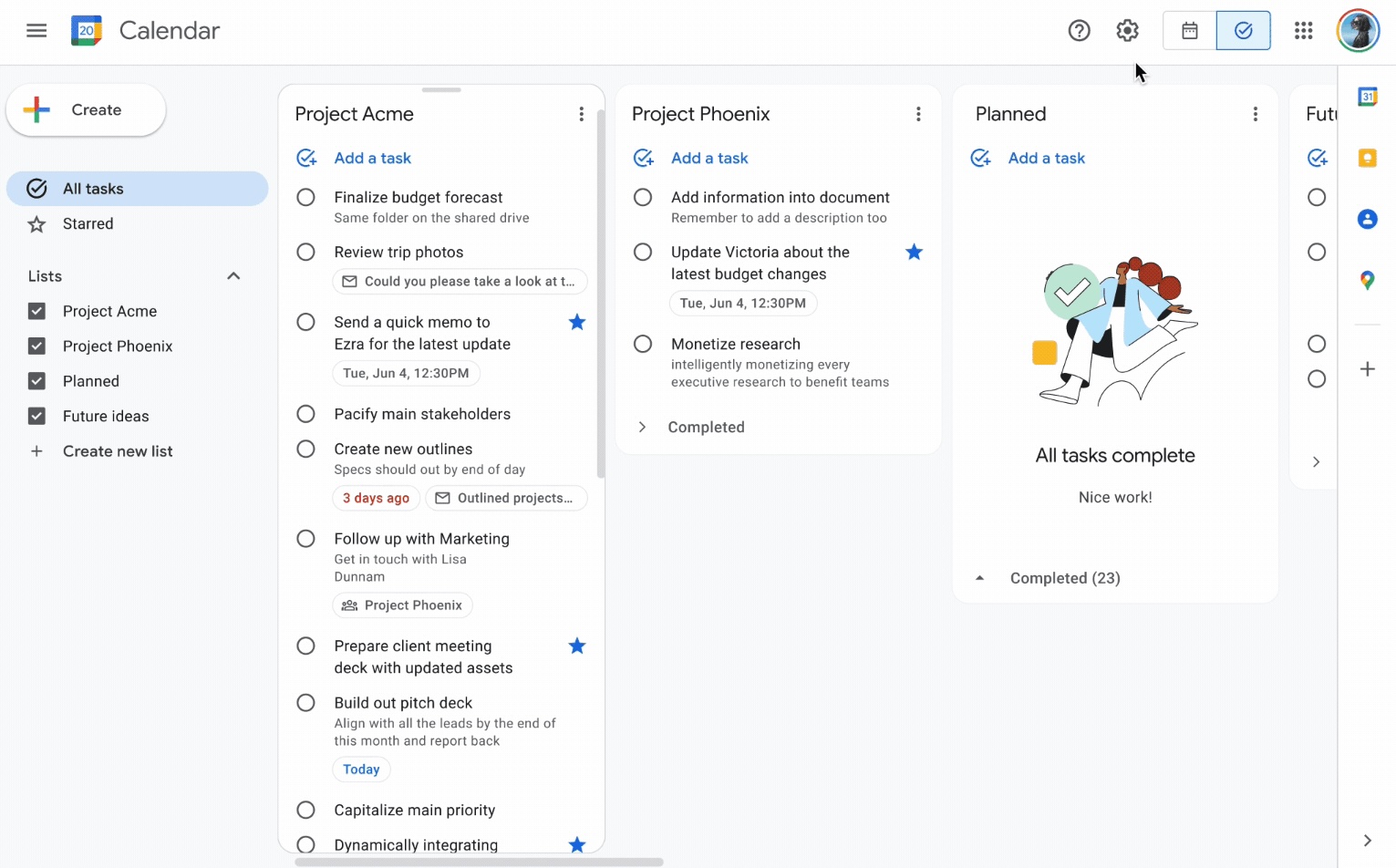
WIP limits — left column screenshot
Column WIP limits on TasksBoard.
敏捷开发 (Scrum)
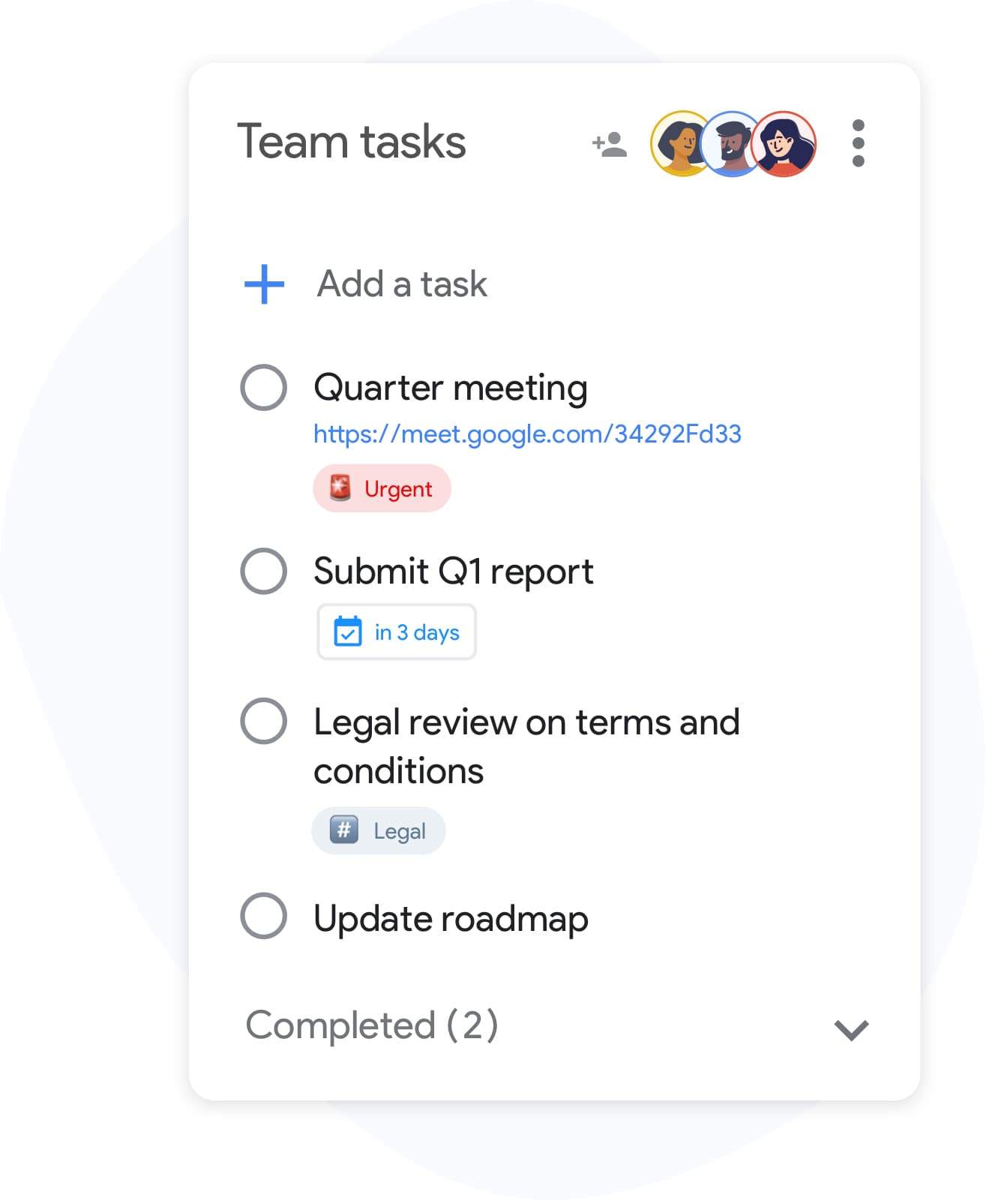
WIP limits — right column screenshot
Sprint capacity as the limit.

Winner: Kanban

Explicit per-column WIP limits are a core Kanban practice for preventing overload and surfacing bottlenecks.


Defined roles

It's a tie

Kanban has no mandated roles. The team owns the board and pull-based workflow.

Scrum defines Scrum Master, Product Owner, and Developers with distinct accountabilities.

Kanban
Defined roles — left column screenshot
Self-organizing team, no fixed roles.
敏捷开发 (Scrum)
Defined roles — right column screenshot
Scrum Master, PO, Developers.

It's a tie

Kanban needs no fixed roles; Scrum's defined accountabilities help larger teams that want clear structure.


Backlog grooming ceremonies

It's a tie

Kanban refines work just-in-time as items approach the top of the backlog column.

Scrum holds regular backlog refinement sessions to prepare items for upcoming Sprints.

Kanban
Backlog grooming ceremonies — left column screenshot
Just-in-time refinement.
敏捷开发 (Scrum)
Backlog grooming ceremonies — right column screenshot
Scheduled refinement ceremonies.

It's a tie

Kanban refines just-in-time; Scrum schedules backlog refinement ceremonies — both work, different rhythms.


Continuous delivery

Winner: Kanban

Kanban teams release whenever an item is done — no waiting for a sprint boundary.

Scrum typically delivers at the end of each Sprint during the Sprint Review.

Kanban Winner
Continuous delivery — left column screenshot
Ship when ready.
敏捷开发 (Scrum)
Continuous delivery — right column screenshot
Deliver at Sprint Review.

Winner: Kanban

Kanban teams ship whenever an item is done; Scrum typically batches delivery at the Sprint Review.


Flow metrics

Winner: Kanban

Kanban tracks cycle time, throughput, and lead time to optimize flow efficiency.

Scrum primarily measures velocity — story points completed per Sprint.

Kanban Winner
Flow metrics — left column screenshot
Cycle time and throughput.
敏捷开发 (Scrum)
Flow metrics — right column screenshot
Velocity per Sprint.

Winner: Kanban

Cycle time, throughput, and lead time give Kanban teams direct flow-efficiency signals.


Velocity tracking

Winner: 敏捷开发 (Scrum)

Kanban does not use velocity. Flow metrics replace point-based tracking.

Scrum teams track velocity to forecast Sprint capacity and release planning.

Kanban
Velocity tracking — left column screenshot
Flow-based forecasting.
敏捷开发 (Scrum) Winner
Velocity tracking — right column screenshot
Story-point velocity charts.

Winner: 敏捷开发 (Scrum)

Story-point velocity is Scrum's primary forecasting tool — Kanban deliberately avoids velocity tracking.


Board customization

Winner: Kanban

Kanban boards are fully customizable — add columns, swim lanes, and WIP limits per team.

Scrum boards follow a standard To Do → In Progress → Done pattern tied to Sprint scope.

Kanban Winner
Board customization — left column screenshot
Custom columns on TasksBoard.
敏捷开发 (Scrum)
Board customization — right column screenshot
Sprint-scoped standard columns.

Winner: Kanban

Kanban boards are fully customizable — columns, swim lanes, and WIP limits per team.


Support and ops teams

Winner: Kanban

Kanban excels for interrupt-driven work — support tickets, incidents, and ops queues flow continuously.

Scrum's sprint commitment model fits poorly when urgent items arrive mid-Sprint.

Kanban Winner
Support and ops teams — left column screenshot
Continuous intake for ops work.
敏捷开发 (Scrum)
Support and ops teams — right column screenshot
Sprint commitment conflicts with interrupts.

Winner: Kanban

Interrupt-driven support and ops queues flow continuously on Kanban; Scrum's sprint commitment fights mid-sprint urgency.


Product feature development

Winner: 敏捷开发 (Scrum)

Kanban works for feature dev when continuous flow is preferred over batch planning.

Scrum is widely adopted for product teams building features in predictable increments.

Kanban
Product feature development — left column screenshot
Feature cards flowing through columns.
敏捷开发 (Scrum) Winner
Product feature development — right column screenshot
Sprint-planned feature increments.

Winner: 敏捷开发 (Scrum)

Scrum is widely adopted for product teams building features in predictable sprint increments.


深受数千名用户喜爱

在 Chrome Web Store 上获得 1,000+ 条评价,评分 4.8 / 5

"Always have 101 things to do and this helps me organize and prioritize like no other app can. It syncs to my phone and laptop, and when I add dates to tasks, they automatically integrate into my Google Calendar, which is immensely convenient. I can look at my daily, weekly, and monthly overview in Google Calendar and clearly see how much I was able to accomplish! Great tool indeed. Excited to see how it will evolve over time."

PR Parina Ramjee avatar
Parina Ramjee

"Seriously, makes my tasks easier to share with the team, and the free version is quite nice for our little office. Eventually, we will expand, and this is definitely a great tool to do that! Syncs with my Workspace and Calendar."

CC Chase Cattrall avatar
Chase Cattrall

"I love the simple, intuitive interface and the Add to Tasks feature, especially as I work through my emails! Sharing my tasks is also easy. Overall, outstanding and simple to use, and that means a lot with too many complex tasks out there!"

GC Greg Cantori avatar
Greg Cantori

"Great too for managing daily routine and plan tasks. Would be perfect if it was updated for generating reports for statistics. For google tasks and google calendar"

NV Nick Vlasov avatar
Nick Vlasov

常见问题解答

Kanban 和 Scrum 的主要区别是什么?

Scrum 使用具有定义角色和仪式的固定长度 Sprint。Kanban 使用没有强制 Sprint 的连续流模型。Scrum 结构更严谨;Kanban 更灵活。

团队可以同时使用 Kanban 和 Scrum 吗?

是的。“Scrumban”是一种混合方法,团队使用 Scrum 仪式,但通过 Kanban 看板和在制品限制来管理工作流。这在那些既想要 Sprint 可预测性又想要流程可见性的团队中很常见。

对于小型团队,Kanban 还是 Scrum 更好?

对于小型团队,Kanban 通常更简单,因为它没有强制性的角色或仪式。两到五人的团队无需培训即可立即启动 Kanban 看板。对于少于五人的团队,Scrum 的开销很难证明其合理性。

Kanban 有故事点吗?

Kanban 不需要故事点。相反,它使用流程指标:周期时间(完成任务所需的时间)、吞吐量(每周完成多少任务)和交付周期。这些指标通常比速率更具可操作性。

我可以在 TasksBoard 中运行 Kanban 吗?

是的。TasksBoard 为您提供由 Google Tasks 支持的全屏 Kanban 看板。您可以为任何工作流(待办、进行中、完成或自定义阶段)创建列,在它们之间拖动任务,并添加同步到 Google Calendar 的截止日期。

Kanban 需要什么角色?

Kanban 不需要任何角色。与 Scrum 不同,该方法没有强制要求 Scrum Master 或产品负责人。团队通常会指定流程经理或服务交付经理,但这些角色是可选且非正式的。

Scrum 仅适用于软件团队吗?

Scrum 最初是为软件开发设计的,但市场营销、人力资源和运营团队已成功对其进行了调整。Kanban 更容易适应非软件工作流,因为它施加的约束更少。


开始使用

在 TasksBoard 中运行 Kanban 或 Scrum 风格的看板

使用您的 Google 账号登录,并在几分钟内构建可视化工作流。在列之间拖动任务、设置截止日期并与您的团队共享看板。

无需信用卡。可与您现有的 Google Tasks 配合使用。